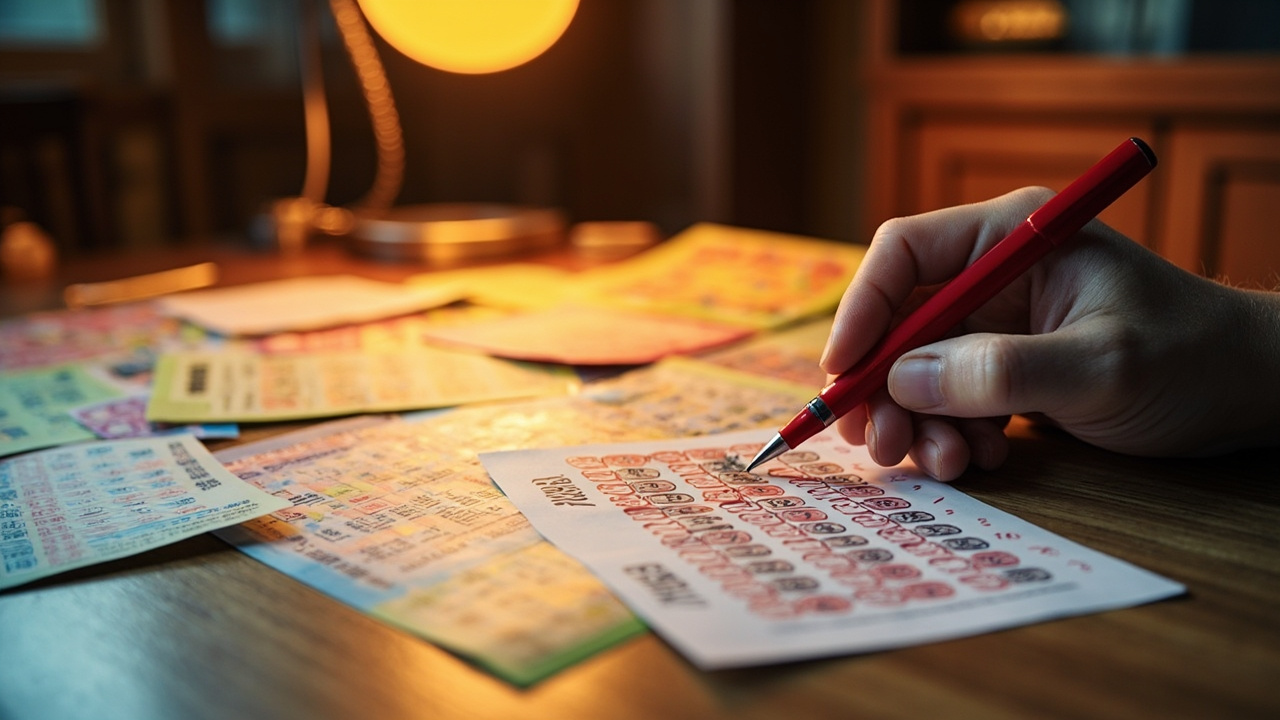
Most Australians treat lottery tickets like a weekend punt, but the real story sits in the maths behind lottery strategy odds. You can still enjoy a Saturday arvo draw without pretending the numbers owe you a win. The trick is knowing what you are buying, setting a sensible spend, and treating any ticket as paid entertainment rather than a retirement plan. When you look at the odds honestly, you spend calmer and enjoy the draw more.
How Probability Shapes Smart Play
A lottery ticket is a fixed-price entry into a probability space that does not care about your birthday, your lucky shirt, or the pattern you doodled on the playslip. The draw is a clean, independent event every time, which means past results do not nudge future ones any more than a delayed Sydney train is magically fixed by whistling at the timetable. My years in gaming mathematics keep pulling me back to one plain judgement call: the only controllable input is how you structure your spend, not which numbers you circle.
That is where lottery strategy odds become useful rather than mystical. You are not trying to outsmart the draw; you are deciding how many distinct combinations you can afford to cover without turning a fun habit into a budget leak. A tight weekly cap, a clear stop point, and a refusal to chase lost tickets are the actual levers. If you want a concrete comparison, think of it like a packed Melbourne tram at peak hour – everyone is heading somewhere, but nobody controls the route, so the smart move is picking a seat you can actually afford to keep.
The numbers on a ticket are not a melody you can improvise around, either. I spent years in honours-level jazz training learning that a solo only sounds coherent when it respects the changes underneath it. Lottery play works the same way: the underlying probability is the chord progression, and your budget is the tempo you can hold without rushing. When people talk about hot numbers, cold numbers, or repeating patterns, they are usually improvising over a chart that never changes. The better play is accepting the chart, then choosing a line that fits your wallet and your patience.
For anyone comparing how different products handle risk and transparency, it helps to see how a well-laid-out game page presents odds and paylines up front, which is why a clear reference like gates of olympis can be useful when you are checking how odds are displayed across similar titles.
Practical Steps That Keep Spend In Check
- Decide your weekly entertainment budget before you buy anything, and treat it like a fixed bill you pay once, not a rolling balance you top up after a disappointing result.
- Pick one ticket type you understand, read the published odds carefully, and avoid stacking extra lines just because the counter looks busy on a Saturday.
- Write down a hard stop for the session, so you know exactly when to put the playslip away and move on with your day.
- Keep a simple record of what you spend and what you actually win, because memory is a poor accountant and it will quietly rewrite a bad month into a harmless one.
- If you ever feel the urge to increase spend after a dry run, pause for a day and revisit the numbers when the heat has dropped out of the moment.
Two quick caveats from people who work in this space are worth keeping in mind. Samuel Harris, Independent iGaming Expert, Blue Mountains Interactive, puts it plainly: “Odds do not improve because you feel due; they only change if the game rules change, so the only disciplined move is to match your spend to the actual probability, not to your mood.” That is the kind of judgement call that keeps a hobby from drifting into a money leak.
Matching Odds To Your Own Play Style
The right approach to lottery strategy odds depends on what you want from the ticket in the first place. If you are buying a small, regular thrill, a low-cost line with a clear odds breakdown is usually the sanest fit, because you know exactly what you are paying for and what you are not. If you prefer covering more combinations for a bigger share of the prize pool, the spend rises fast, so the discipline has to rise with it. There is no moral victory in buying more tickets; there is only a different price tag on the same uncertainty.
That is why the most useful habit is not a secret system but a clear personal rule. Some players set a monthly ceiling and stick to it like a budget for a Brisbane weekend away, where the plan matters more than the weather. Others prefer a single ticket now and then, treating the draw like a rare night out rather than a weekly routine. Either way, the odds stay the same, and the only thing that changes is how much fun you get per dollar.
If you are weighing whether a site’s payment flow and account setup feel straightforward before you commit any spend, it is worth checking how the cashier and verification steps are presented, because a clunky sign-up can sour the experience before the first ticket is even bought.
Verdict
Lottery strategy odds are not a secret path to a payout; they are a way to spend with your eyes open. If you can treat the ticket as paid entertainment, cap your outlay, and accept that the draw is a fixed probability rather than a personal scoreboard, you will enjoy it more and stress less. That is the fit for most casual players who want a bit of fun without pretending the maths is on their side.
That same mindset applies whether you are picking numbers or spinning reels, since the house edge remains constant regardless of the game. For players interested in exploring similar digital entertainment, you can review the mechanics at gates of olympis. Ultimately, the goal is to find enjoyment in the activity without expecting the odds to shift in your favor.